


Why Does a Car Shake?

Although car vibration may seem like a simple problem caused by a single part, it is usually linked to more than one system. Sometimes it starts with the tyres and wheels, sometimes it comes from the engine mounts, and sometimes it is caused by the brakes or drivetrain. That is why it is wrong to treat vibration as just a comfort issue.
When the vibration occurs is one of the most important clues to finding its source. Does the car shake at idle, is it felt at low speed, is it in the steering wheel, does it get worse when braking or does it become noticeable at high speed? For a correct diagnosis, this distinction needs to be made first.
At What Speeds Does Car Vibration Occur?
Vibration is not felt the same way at every speed. In some cars, it only appears when pulling away. In others, it is absent up to a certain speed range and then becomes noticeable. That is why it is important for the driver to notice under which conditions the vibration starts.
Vibration felt at low speed is often related to the engine, engine mounts, drive shafts or rough running. Vibration felt at medium and high speeds more often points to wheel alignment and balancing, tyres, wheels and suspension. When vibration occurs during braking, the discs and brake system are the main suspects.
This distinction is even more important for drivers who make long journeys. Drivers who have a roof box, bike rack or roof tent on their vehicle should assess vibration at high speeds more carefully. In some cases, the problem is not caused directly by this equipment, but by the load distribution making an existing imbalance more noticeable.
Causes of Vibration at Low Speed
Low-speed vibration is usually noticed just after the car starts moving, when driving close to idle or in stop-start traffic. With this type of vibration, the engine and drivetrain are the main areas to look at.
The most common causes are:
Worn engine mounts
Rough idling
Ignition problems
Dirty injectors or uneven combustion
Play in the CV joint
Problems with the gearbox mounts
Judder caused by the clutch
If vibration is felt in the cabin while the car is stationary or when pulling away, the engine mounts should be checked. If the vibration increases when you accelerate but decreases as speed rises, the ignition and the way the engine is running should also be assessed.
A common mistake here is blaming low-speed vibration only on fuel quality. In some cases, however, the problem comes not from how the engine runs, but from the mounts that support it.
Causes of Vibration at Medium and High Speeds
If the car starts to shake above a certain speed, the first area to check is usually the tyres and the running gear. Vibration felt in the steering wheel in particular gives the driver important clues.
The most common causes in this speed range are:
Incorrect wheel alignment or balancing
Bent wheels
A bulge in the tyre
Uneven tyre wear
Play in suspension components
Front suspension and steering problems
Drive shaft and wheel bearing problems
If the vibration becomes noticeable between 80 and 110 km/h in particular, wheel balancing is a likely cause. If there is a knocking-like vibration in the steering wheel, the wheels and tyres should be inspected carefully. If the vibration is felt in the seat and the body, the rear wheels and rear balance become more important.
If there is not only vibration but also a slight feeling of instability at high speed, the problem may be more serious. In this case, not only comfort but also driving safety is affected.
Vibration When Accelerating or Slowing Down
Vibration that appears when accelerating or slowing down rather than at a constant speed points the diagnosis in a certain direction. In this case, the power transmission and braking systems come to the fore.
For vibration when accelerating, the following causes should be considered:
CV joint problem
Worn engine mount
Loose gearbox mounts
Uneven power transfer
Clutch problems
For vibration when slowing down or braking, the following parts come to the fore:
Warped brake disc
Uneven brake pad surface
Sticking brake caliper
Brake-related front suspension problems
If the car judders when accelerating but the steering wheel shakes when braking, these two symptoms should not be treated as the same problem, because one may come from the drivetrain and the other from the brakes.
How Do You Fix Car Vibration?
Vibration is not fixed by replacing parts at random. First, it needs to be clear when the vibration occurs, because a problem at low speed and a problem at high speed may not come from the same place.
How to Fix Car Vibration Step by Step
Identify when the vibration occurs. First, establish whether the car shakes at idle, when pulling away, at a constant speed, when braking or when accelerating.
Check the tyres and wheels. If there is a bulge, a bend, uneven wear or a difference in tyre pressure, this area should be sorted out first.
Have the wheel alignment and balancing checked. For vibration felt at medium and high speeds in particular, wheel alignment and balancing are among the first things to check.
Assess the brake system. If vibration occurs when braking, the brake discs and pad surfaces should be checked.
Have the front suspension and steering components checked. Play in the control arms, ball joints, bushings and connection points can cause vibration.
Have the engine and gearbox mounts inspected. This area is important for vibration felt at idle or at low speed.
Have the drive shafts and drivetrain checked. For vibration when accelerating in particular, the CV joints and connections should be reviewed.
The most common mistake is waiting a long time before taking action once vibration starts. A minor balancing problem can increase tyre wear over time, play in the front suspension can get worse and costs go up.
When Does Car Vibration Become Dangerous?
Not every vibration carries the same level of risk. In some cases, however, vibration stops being a comfort issue and becomes a safety issue.
Have the vehicle checked without delay in the following cases:
The steering wheel is shaking heavily
Vibration increases significantly when braking
The vibration comes with a noise
The car has started pulling to one side
The body feels unstable at high speed
The vibration is getting worse day by day
Vibration caused by the steering, brakes or front suspension in particular should not be put off, because these areas are directly related to driving safety.
How to Prevent Vibration Problems
Although vibration problems cannot be prevented completely, they can be greatly reduced with regular maintenance. To do this, checks should be carried out at regular intervals, not only when a fault appears.
The key points to keep in mind are:
Checking tyre pressure regularly
Not delaying wheel alignment and balancing
Taking wheel damage seriously
Keeping up with front suspension checks
Monitoring the condition of brake discs and pads
Not ignoring the engine mounts
Distributing the load evenly
Tyre, balancing and brake checks should not be neglected, especially before a long journey. If roof equipment is used on the vehicle, the security of the mountings should also be checked, because some vibration can come not from the vehicle's own systems but from imbalance in external equipment.
Although car vibration may start as a minor annoyance, it can become a safety problem if it is not checked in time. Observing correctly at what speed and under what conditions the problem occurs is the most important step towards a correct diagnosis. Early action both prevents bigger costs and protects driving safety.
Frequently Asked Questions About Car Vibration (FAQ)
Why does a car shake at idle?
The most common causes are usually engine mounts, rough idling, ignition problems or issues with the fuel system.
Why does the steering wheel shake at high speed?
The most common causes are incorrect wheel balancing, bent wheels, tyre problems and imbalances in the front suspension.
Why does a car vibrate when braking?
Warped brake discs, uneven brake pads and brake caliper problems are among the most common causes.
Can vibration when accelerating come from the gearbox?
Yes, it can. However, the drive shafts, engine mounts and drivetrain connections can also cause the same symptom.
Does a vibration problem go away on its own?
Usually not. Even if it feels less noticeable on some days, the underlying problem remains. That is why it needs to be checked.

Where Does a Bike Rack Mount on a Car?
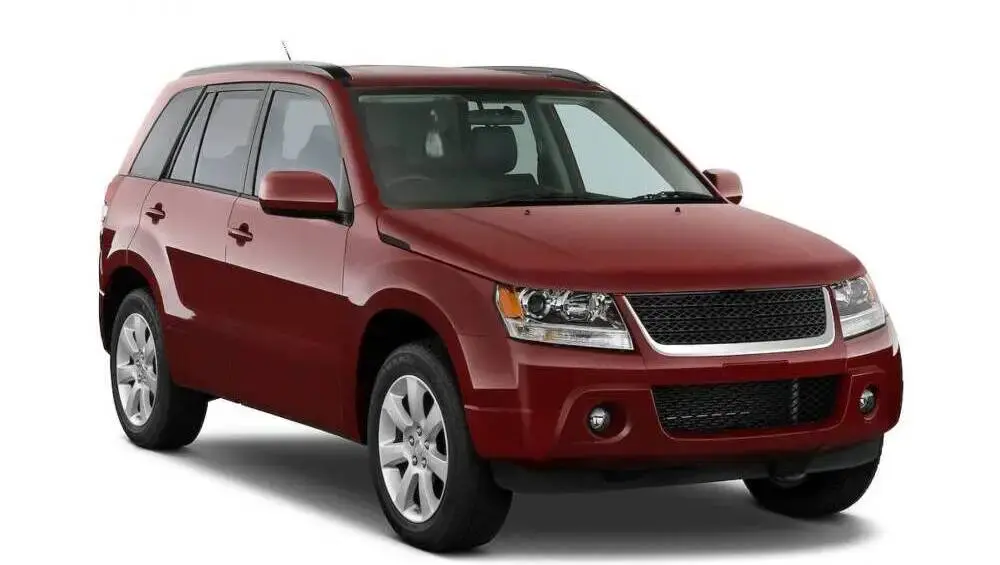
What Are the Suzuki Grand Vitara (Jt) 2005-2014 Roof Rack Types?

What Are the Hyundai Bayon (Bc3 Cuv) 2021-2025 Roof Rack Types?

What Is the Difference Between Raised and Flush Roof Rails?

What Is the Difference Between Tube and Aluminium Side Steps?

