


What Is the Difference Between Raised and Flush Roof Rails?

The difference between a raised roof rail and a flush roof rail is whether a gap exists between the rail and the vehicle roof. This gap exists in the raised structure, while the rail sits tight against the roof in the flush structure.
This difference is not only visual. The distinction directly determines which crossbar foot can be fitted to the roof.
The structure can change between different models of the same brand, and even between trim levels of the same model. Compatibility is therefore always checked on the roof of the vehicle itself.
What Do Raised and Flush Mean on a Roof Rail?
A raised roof rail is a rail structure positioned above the roof panel, leaving an open gap underneath. A flush roof rail describes the structure that sits fully on the roof surface and leaves no gap underneath.
The gap here is the opening between the lower face of the rail and the roof panel. This opening is generally between 2-4 centimetres and allows the fingers of one hand to pass through.
The raised structure is also called a high rail in the sectora. The flush structure is known as an integrated rail or a recessed rail.
The technical reason for the distinction is the mounting logic. On a raised rail the foot grips the rail from below. No such gap exists on a flush rail, so the foot has to grip the channel on top of the rail or its side face.
How Is It Understood Whether a Roof Rail Is Raised or Flush?
The roof rail type is understood in a few seconds by placing a finger under the rail. This information is usually not listed in the registration document or the vehicle catalogue.
The check is made from the side of the vehicle, looking at the rail at eye level.
A finger is pushed under the middle section of the rail. The structure is raised if the finger passes through.
If the finger does not pass, the ends of the rail are examined. The structure is flush when the ends form a closed finish resting on the roof.
The check is made from the middle section of the rail. The ends of some raised rails rest on the roof, and looking only at the ends can lead to a wrong conclusion.
Vehicles with no rails on the roof fall outside these two groups. On these vehicles the carrying system is built with feet that grip the door frame, or with factory mounting points in the roof panel.
Which Crossbars Fit a Raised Roof Rail?
Raised roof rails take clamp type crossbars whose feet grip the rail from below. The foot wraps around the rail in a U shape in this system and is tightened from underneath.
The connection spreads the load across the whole rail. Carrying capacity is generally higher than in other systems, because the clamp grips the rail all the way around.
The clamp can be slid along the rail. Bar spacing can therefore be adjusted to the size of the equipment to be fitted. A wide opening can be preferred for a roof box, and a narrower one for a bike carrier.
The crossbar models suited to a raised roof differ from each other by foot structure. Foot dimensions change by vehicle model even when the clamp form looks identical.
The clamp needs to be wide enough to wrap the rail. A standard sized clamp may not fit commercial vehicles with a thick rail section.
Which Crossbars Fit a Flush Roof Rail?
Flush roof rails take crossbars that sit in the channel on top of the rail or clamp the rail from the sides. Gripping from below is not possible in this structure.
Two different solutions are used. On some vehicles a factory channel runs along the upper face of the rail, and the foot locks into this channel with a T shaped bolt. On other vehicles the foot clamps the rail from both sides in the logic of a vice.
In channel systems the foot moves only within the range the channel allows. Bar spacing therefore cannot be adjusted as freely as on a raised structure.
Flush systems carry one clear advantage. Foot height stays low, so the bars sit closer to the roof. This limits both wind noise and the increase in vehicle height.
Crossbars suited to this structure are listed under the description of an integrated rail roof. A product chosen for the wrong roof type will not sit on a flush rail at all.
What Is the Difference Between a High Rail and an Integrated Rail?
The difference between a high rail and an integrated rail comes from the position of the rail relative to the roof, and it creates three separate results in use.
Feature | High rail | Integrated rail |
|---|---|---|
Gap to the roof | 2-4 cm, fingers pass through | No gap |
Crossbar connection | Clamp gripping from below | Foot sitting in a channel or clamping from the side |
Bar position adjustment | Free along the rail | Within the range the channel allows |
Total height increase | Higher | Lower |
Wind noise | Noticeable, caused by air passing through the gap | Lower |
The high rail is generally seen on commercial vehicles, station wagon models and off-road vehicles. The integrated rail has become widespread on SUV and crossover models produced in recent years.
Air passing through the gap can create a clear hum on vehicles with high rails. This sound is audible even when no equipment is fitted.
How Is the Right Roof Rail Chosen for the Roof Structure?
The right roof rail is chosen after the brand, model, year range and chassis length of the vehicle are confirmed. These four details are checked from the registration document.
Chassis length is a critical distinction on commercial vehicles. The same model can be produced with a short, medium and long chassis. A long size fitted to a short body overhangs at the rear.
Mounting type also changes by vehicle. Applications are generally made with one of three methods: bolted, bonded and clamped. The bolted method is preferred on vehicles with factory mounting points in the roof panel.
Aftermarket roof rail models are produced for specific vehicles. Variants suited to different roof structures therefore exist even under the same product name.
The final check is the roof type field in the product details. Descriptions such as fixed point roof or integrated rail roof appear in this field and confirm the selection.
How Much Load Does an Aftermarket Roof Rail Carry?
Aftermarket roof rails generally carry around 200-250 kg while the vehicle is parked, and around 75 kg while it is moving. The difference between the two values comes from dynamic forces created during travel.
The Hawk roof rail produced for the Ford Courier, for example, is stated as 250 kg static and 75 kg dynamic. The product is 210 cm long and is mounted to the roof with two feet using a bolted connection.
These values show the strength of the product itself. The real limit is always the dynamic roof load written in the owner's manual of the vehicle. The lower of the two figures is taken as valid.
A high static value allows the use of a roof tent during camping. Load on the roof can be carried up to a far higher limit when the vehicle is stationary.
The weight of the rail itself also enters the calculation during travel. The total of the rail, the crossbar and the carried equipment has to stay under the dynamic limit.
The decisive question in roof rail selection is whether a gap exists under the rail. Systems gripping from below come into play when that gap is there, and systems sitting in a channel or clamping from the side take over when it is not. Once the distinction is understood at a glance, the rest of the selection turns into a matter of size and capacity only.
Frequently Asked Questions About Roof Rails
Does a roof rail have to be recorded on the vehicle registration?
Roof rails that can be removed and refitted are generally not recorded on the registration, because they create no permanent change on the vehicle. The situation can differ in applications that permanently change the exterior dimensions of the vehicle. In case of doubt, information from the local vehicle registration authority is the safest route.
Can a roof rail be fitted to a vehicle with a sunroof?
Roof rails can be fitted to vehicles with a sunroof. The rail is mounted to the side edges of the roof or to the mounting points there, not to the glass panel. The panel is opened fully after installation to check for contact. Load limits can be lower on some models with a panoramic glass roof.
Does a roof rail affect fuel consumption?
A roof rail on its own can increase fuel consumption by around 1-3 percent. The effect grows noticeably once a roof box or carrier is added on top. Air flowing under raised structures raises resistance slightly further. This effect stays more limited on products with an aerodynamic profile.
Can crossbars be fitted to a vehicle without roof rails?
Crossbars can be fitted to vehicles without roof rails. Foot systems that grip the door frame have been developed for these vehicles. The feet sit on the metal fold above the door seal and become invisible once the doors are closed. Bolted systems are used on vehicles with factory mounting points in the roof panel.
Is drilling needed during roof rail installation?
Drilling is not needed in most applications. Bolted installation is made at factory mounting points in the roof panel, usually covered with a plastic cap. No intervention is made on the vehicle in the bonded and clamped methods. All parts required for installation come inside the product box.

Where Is a Bike Carrier Fitted on a Vehicle?
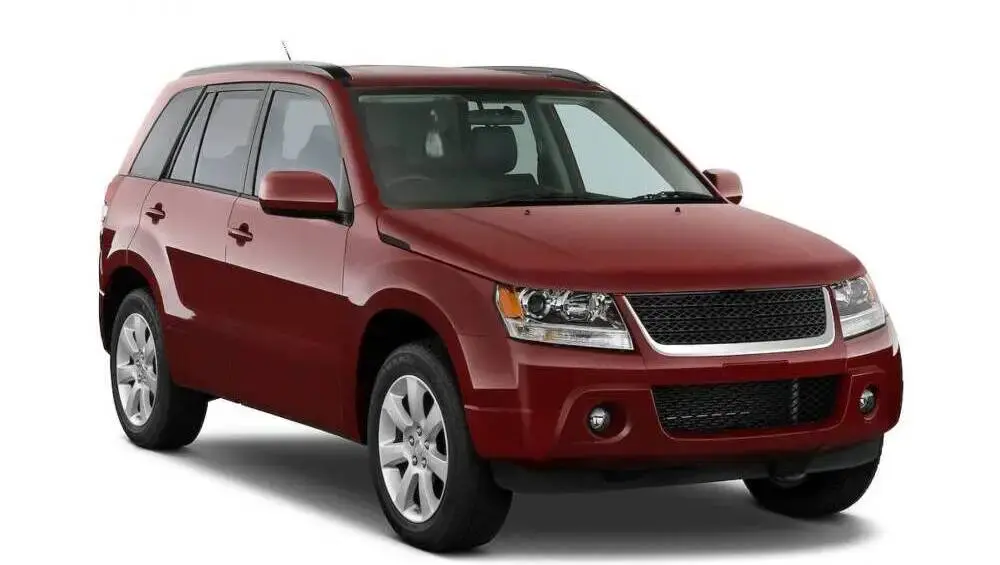
What Are the Suzuki Grand Vitara (Jt) 2005-2014 Roof Rack Types?
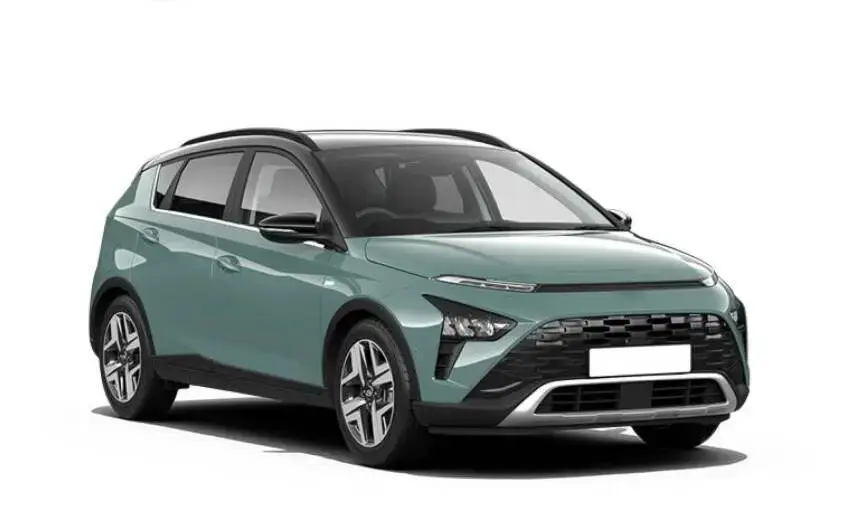
What Are the Hyundai Bayon (Bc3 Cuv) 2021-2025 Roof Rack Types?
What Is the Difference Between Raised and Flush Roof Rails?

What Is the Difference Between Tube and Aluminium Side Steps?

