


Why Does a Car Lose Coolant?

A coolant reservoir level that keeps dropping regularly shouldn't get treated as normal. Losing coolant in a vehicle usually isn't an isolated situation. It generally signals a leak in the cooling system, part fatigue, or an internal engine issue that can grow.
Everyday language calls this losing water, though what actually runs low is usually antifreeze-based coolant, not just water. Because of this, what matters isn't just the amount lost, but why it's being lost. Catching the source of the problem early prevents overheating and bigger repair costs.
Long-distance drivers, commercial vehicle users, campers, and anyone adding extra load to the vehicle should pay closer attention to this. A roof box, bike rack, or roof tent can add to this load on the engine and cooling system. This can make an existing problem surface sooner.
How Can Coolant Loss Be Recognized?
Coolant loss sometimes shows up clearly. Other times, it develops slowly over weeks. The most common signs include the following:
A coolant reservoir level that keeps dropping
The temperature gauge climbing faster than normal
Fluid marks under the vehicle
A sweet smell from the engine bay
The heater not blowing warm enough air
Thick white smoke from the exhaust
A light-colored, foamy layer on the oil cap
In vehicles used for short city trips, the problem can stay hidden for a while. Signs get felt faster, though, in vehicles driven long distances in summer, on hilly routes, or under load. Because of this, waiting for the temperature warning light to come on isn't the right approach.
What Causes a Car to Lose Coolant?
Losing coolant doesn't have just one cause. Sometimes it's a minor part issue. Other times, it extends to an internal engine fault. The most common causes appear below.
Radiator Leak
A radiator can leak over time due to impact, corrosion, or age. Dripping might not be very noticeable at first. Only the fluid level drops. As it progresses, it starts leaving marks under the vehicle.
Hose and Clamp Problems
Cooling hoses stay constantly exposed to heat and pressure. Over time, they harden, crack, or the clamps loosen. In this case, the leak usually becomes noticeable once the vehicle warms up.
Expansion Tank or Cap Failure
This part often gets overlooked. It needs to manage system pressure correctly, though. When the cap fails to do its job, it can sometimes be the sole source of a coolant loss problem.
Water Pump Failure
The water pump circulates coolant through the engine. A leak can develop when the pump seal fails. Circulation also weakens at the same time, and the engine heats up faster.
Thermostat Problems
The engine can overheat beyond what's needed when the thermostat doesn't open and close correctly. This raises both the risk of overheating and fluid loss.
Heater Core Leak
The heater core needs checking if fogging keeps forming inside the vehicle, a sweet smell shows up, or dampness appears under the floor mat.
Cylinder Head Gasket Problems
This ranks among the more serious possibilities. When the gasket gets damaged, coolant can mix into the combustion chamber or the engine oil. In this case, white smoke, reduced pull, uneven running, and overheating can all show up together.
Does Losing Coolant Matter?
Yes, it matters. The engine running at its ideal temperature depends directly on the cooling system. As the fluid level drops, system efficiency falls and the following risks appear:
Overheating rises
Engine performance drops
Fuel consumption can increase
Gasket and cylinder head damage can develop
Major engine repair costs can follow
Many drivers assume a small drop is normal. Every drop that keeps recurring regularly deserves a check, though. A minor problem can grow quickly in vehicles used in hot weather, heavy traffic, and on long inclines especially.
Can a Car Losing Coolant Cause Problems?
Yes, it can. The problem doesn't always show up suddenly, either. Sometimes the vehicle keeps running for days while damage builds up inside. The most common mistake is topping up coolant as it drops and continuing to drive. This method doesn't solve the fault. It only delays it.
The vehicle should not get pushed in the following situations:
The level drops noticeably every few days
The temperature needle climbs above normal
White exhaust smoke keeps increasing
The heater performs weakly
Fluid keeps dripping under the vehicle regularly
This matters even more for families on long trips, weekend campers, and anyone loading extra weight onto the vehicle. The system works harder under load, and hidden problems become visible faster.
How Is Coolant Loss Checked?
Understanding the source clearly calls for following the checks in a specific order. The steps below help with a more accurate first assessment of a coolant loss problem.
Check the coolant level while the engine is cold. The minimum and maximum lines on the reservoir get checked. This should always happen with a cold engine. Opening the cap on a hot engine is risky and can give a misleading result.
Check for signs of an external leak on the vehicle. Whether dripping shows up where the vehicle parks gets checked. The area under the radiator, hose connections, clamps, and around the reservoir all get a visual inspection. Small leaks might only leave a mark at first.
Evaluate signs of white smoke and smell. Thick white smoke from the exhaust, a sweet smell from the engine bay, or fogging inside the vehicle are all important signs. These signs can suggest the coolant loss traces back to an internal leak.
Check for an unusual look on the oil cap. A detailed check becomes necessary if a light-colored, foamy layer appears on the oil cap. This look doesn't always mean a gasket fault, but it shouldn't get ignored.
Have a pressure test done for the coolant loss problem. Leaks invisible to the eye usually show up through a pressure test. This test prevents unnecessary part replacement and points more clearly to the source of the problem.
What Should Engine Coolant Be Like?
Topping up engine coolant at random isn't the right approach. The right fluid choice affects the system's lifespan as much as its cooling performance.
Ideal coolant should have the following properties:
Matching the type the vehicle manufacturer recommends
A balanced antifreeze ratio
Protection against corrosion
Reduced buildup of sediment and scale
No careless mixing of different fluid types
Adding plain tap water can look like a short-term fix. Over the long term, though, it can lead to problems such as rust, sediment, and narrowing passages.
How Is Engine Coolant Changed?
The table below summarizes the general process:
Stage | Action | Key Point |
|---|---|---|
1 | The old fluid gets drained | The engine needs to be fully cold |
2 | The system gets checked | Hoses, radiator, cap, and connections need inspecting |
3 | Cleaning happens if needed | The system needs cleaning if sediment is present |
4 | The right fluid gets added | A product compatible with the vehicle needs choosing |
5 | Air gets bled from the system | Skipping this can let the level drop again |
6 | A final check happens | Follow-up is needed in the first few days |
The question of why a car loses coolant doesn't have a single answer. Sometimes the problem is just a minor cap fault. Other times, it points to a serious internal engine issue. What matters here is reading the drop correctly instead of treating it as normal. Regular level checks, the right coolant, and early inspection can lower both the risk of overheating and the chance of a bigger repair bill. This topic calls for more attention especially on vehicles used for long trips, heavy use, and extra loads.
Frequently Asked Questions About Coolant Loss
Can a car lose coolant while parked?
Yes, it can. Even with the engine off, the fluid level can drop over time if there's a leak at the radiator, a hose, the reservoir, or a connection point. An external leak becomes more likely especially if a mark appears where the vehicle parks.
Does coolant loss look the same in every season?
No. In summer, high temperatures and heavy use make the problem noticeable faster. In winter, an insufficient antifreeze ratio can bring on different kinds of problems. Coolant level and mixture ratio deserve a check when the seasons change.
Can a car lose coolant without overheating?
Yes. Not every coolant drop leads to overheating right away. With small leaks, the vehicle can run at a normal temperature for a while. This doesn't mean the problem is minor, though. The cause always needs investigating if the drop keeps recurring.
Does frequently topping up coolant damage the engine?
Simply topping up gives a short-term fix, but the underlying fault can grow if it keeps happening. Using the wrong fluid, especially unsuitable water or mixed antifreeze types, can also damage the cooling system. Topping up alone isn't enough if the problem keeps recurring.
Which warning signs need immediate attention when coolant runs low?
Signs such as a rising temperature gauge, thick white smoke, or a sweet smell inside the vehicle need immediate evaluation. The same goes for steam from the engine bay or a very fast drop in the reservoir level.

Where Does a Bike Rack Mount on a Car?
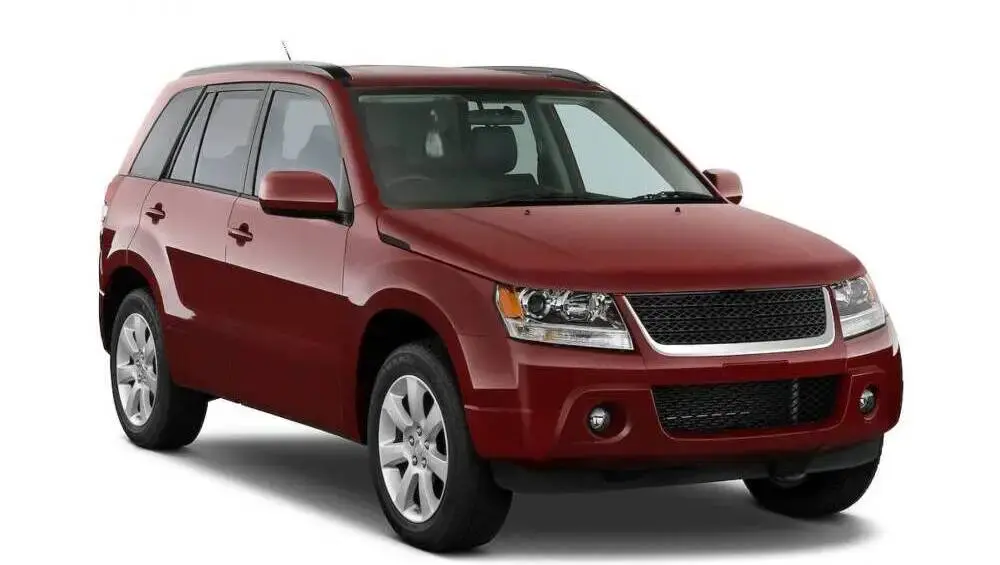
What Are the Suzuki Grand Vitara (Jt) 2005-2014 Roof Rack Types?

What Are the Hyundai Bayon (Bc3 Cuv) 2021-2025 Roof Rack Types?
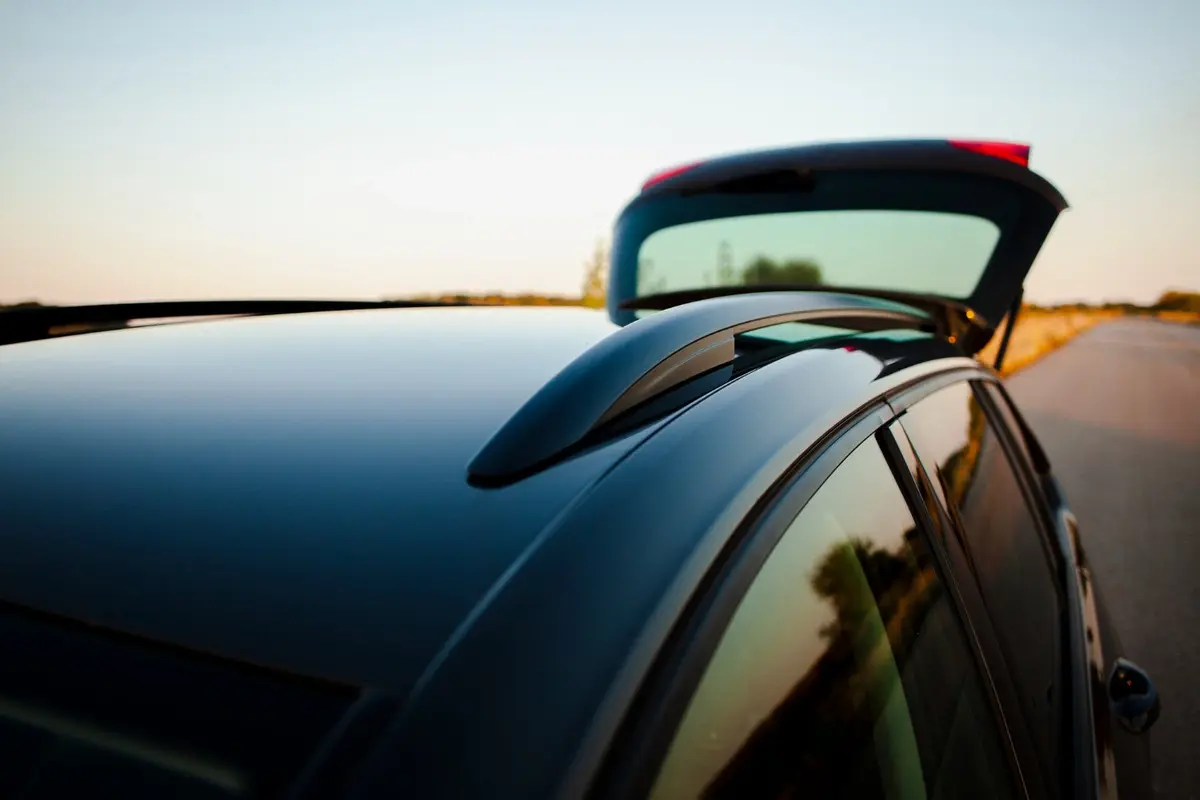
What Is the Difference Between Raised and Flush Roof Rails?

What Is the Difference Between Tube and Aluminium Side Steps?
