


Where Is a Bike Carrier Fitted on a Vehicle?
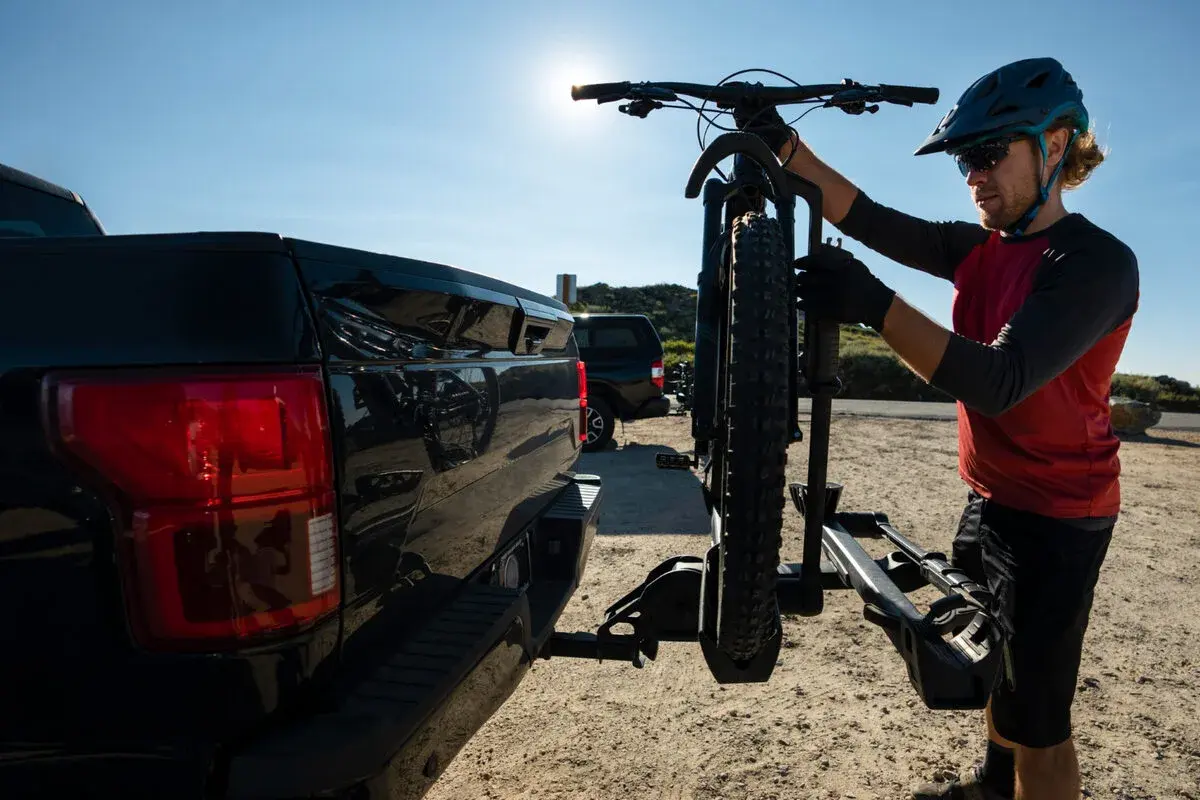
A bike carrier is fitted to three different points on a vehicle: the roof, the tailgate and the towbar. All three systems secure the bike outside the vehicle, but the way they transfer load to the vehicle is completely different.
Three factors determine the right area. Whether the vehicle has a towbar, the weight of the bike to be carried and the travel distance shape this choice.
The roof mounted type is the most widely used system. The main reasons are that it can also be applied on vehicles without a towbar, and that it does not block access to the boot.
How Does a Roof Mounted Bike Carrier Work?
A roof mounted bike carrier works by being fitted onto bars connected across the roof of the vehicle. The carrier is not fixed directly to the roof panel.
The system consists of three parts. A long tray where the wheels sit forms the lower section, an arm at the front grips the frame, and straps wrap around the wheels.
The frame arm locks onto the front tube once the bike is placed in the tray. The straps secure the two wheels separately and the bike stays upright. The tray can be slid back and forth, so it adapts to different wheelbases.
The lower connection of the carrier sits in the channel of the crossbars and is tightened with T shaped bolts. These bars are chosen according to the roof type of the vehicle, so the system is built with the same logic on railed and rail free vehicles.
One carrier holds only one bike. A second carrier is added onto the bars for a second bike.
How Does a Tailgate Mounted Bike Carrier Work?
A tailgate mounted bike carrier works with hooks placed over the edges of the tailgate and with tensioning straps. It requires no drilling or permanent installation on the vehicle.
A horizontal frame is formed for the bike frame to rest on once the folding arms of the carrier are opened. The bike hangs on this frame in a horizontal position and is secured with straps.
The hooks grip the upper, lower and side folds of the tailgate. The system presses against the tailgate and holds once the straps are tensioned crosswise. Setup is usually completed in under 10 minutes.
The tailgate cannot be opened while the carrier is fitted in this system. The chance of the number plate and rear lights being covered is also highest in this type.
Loading height is low, so lifting the bike is easy. Capacity is generally limited to two bikes, however, because the load the tailgate can carry stays limited.
How Does a Towbar Mounted Bike Carrier Work?
A towbar mounted bike carrier works by clamping onto the ball of the towbar. Load is transferred directly to the chassis of the vehicle.
This structure provides the highest carrying capacity. Capacity depends on the vertical load value stated by the manufacturer for the towbar, not on body panels.
The carrier has rails where the wheels of the bikes sit and arms that hold the frame. Bikes are carried upright and side by side. Loading heavy bikes is easy, because the platform sits close to the ground.
The number plate and rear lights are covered by the carrier in this system. The carrier therefore needs its own light set and a repeat number plate. A suitable electrical socket also has to be present on the vehicle for the connection.
Most models have a tilting mechanism. This mechanism allows the tailgate to be opened even with the bikes loaded.
Which Bike Carrier Suits Which Vehicle and User?
The roof mounted carrier is the most suitable solution on vehicles without a towbar and for users of conventional bikes. It can be used on all sedan, hatchback and SUV models.
Product selection in this group is made by looking at two figures. The Pro-S bike carrier, for example, is compatible with wheel diameters up to 29 inches and has a carrying capacity of 20 kg. It offers a keyed lock mechanism and the option of mounting in both directions.
The roof mounted type is not suitable for electric bikes over twenty kilograms. Lifting a bike of that weight above head height is not a practical operation either. The towbar type is a better choice for these users.
The tailgate mounted type stands out for short distances and occasional use. Owners without a towbar who carry a bike a few times a year can prefer this system.
Vehicle height also affects the decision. Roof loading can be demanding for shorter users on high roofed SUVs and commercial vehicles. This ergonomic detail is often overlooked during selection.
What Needs Attention When Driving With a Bike Carrier Fitted?
Driving dynamics change on a vehicle with a bike carrier fitted. The centre of gravity rises and the behaviour of the vehicle against wind alters.
Speed Limit: Going above 110-120 km/h with a loaded roof is not recommended. Height Check: Vehicle height with a bike can reach 2.20 metres, so this value is checked at covered car park entrances. Side Wind: Steering control decreases on bridge and viaduct crossings, and speed is reduced. Break Check: Strap tension is checked by hand after the first 30 kilometres and at every stop. Parts To Remove: Baskets, child seats, bike computers and bottles are taken off before the journey. Reverse Manoeuvring: Parking sensors give constant warnings on rear mounted systems, so distance is judged by eye.
Braking distance also grows with a loaded roof. Keeping a wider following distance than normal matters for this reason.
The mounting point of a bike carrier is determined by usage habits more than by the vehicle. The roof mounted type stands out when a conventional bike is carried regularly on a vehicle without a towbar. Systems that transfer load to the chassis offer a safer solution for heavy electric bikes and for larger numbers of bikes.
Frequently Asked Questions About Bike Carriers
How many bikes does a bike carrier hold?
Most roof mounted carriers are designed for a single bike. A second carrier is added onto the same bars for a second bike. Tailgate mounted systems generally support up to two bikes. Capacity can reach four bikes on the towbar mounted type.
Are crossbars needed for a roof mounted bike carrier?
Crossbars are mandatory for a roof mounted bike carrier. The lower connection of the carrier is fixed to bars running across the roof, not directly to the roof panel. The roof panel is not produced to carry point loads. The bars are also chosen according to the roof type of the vehicle.
Can an electric bike be carried on a roof mounted carrier?
Electric bikes are not compatible with most roof mounted carriers. There are two reasons for this. Electric models are generally over 20 kg and exceed product capacity. Lifting that weight to roof level is also not a safe operation.
How long does bike carrier installation take?
A roof mounted carrier is fitted in under 10 minutes when the bars are already in place. First installation of the bars takes 20-30 minutes. Placing the bike on the carrier takes a few minutes. Setup is completed in a similar time on tailgate mounted systems.
Can a carbon frame bike be carried on a carrier?
Systems with arms that grip the frame are not recommended for carbon frames. Carbon material is sensitive to point pressure and invisible cracks can form. Carrier types that secure the bike by the wheels are more suitable for these bikes. Compatibility information in the product description should always be checked.
Where Is a Bike Carrier Fitted on a Vehicle?
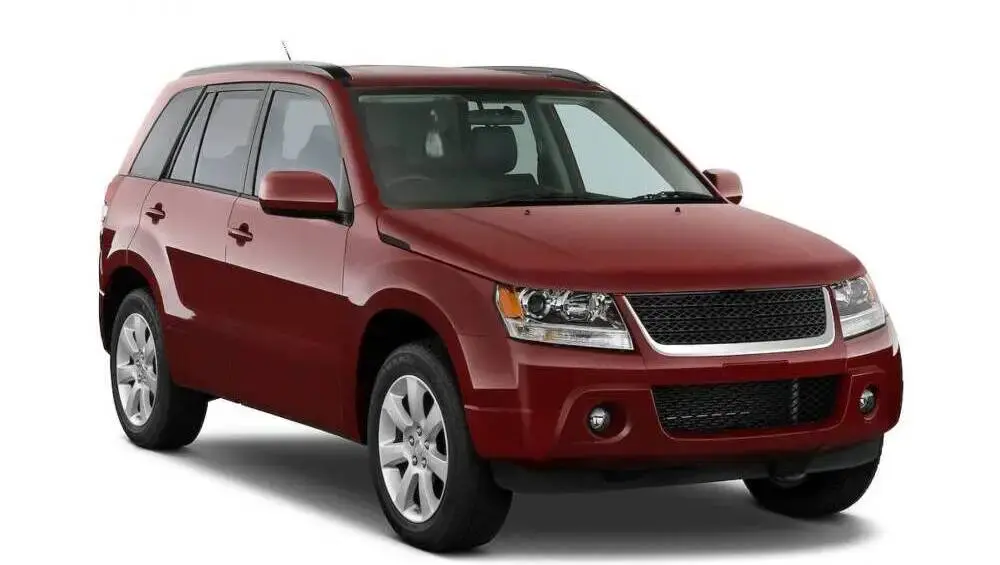
What Are the Suzuki Grand Vitara (Jt) 2005-2014 Roof Rack Types?
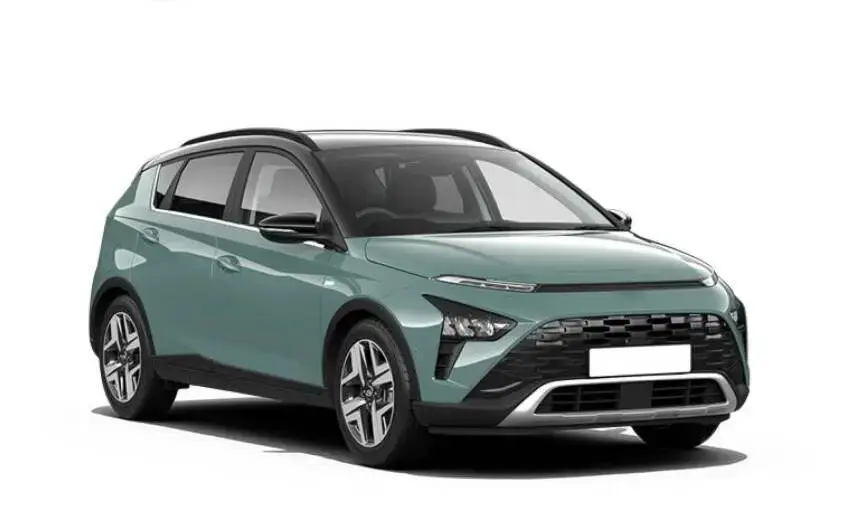
What Are the Hyundai Bayon (Bc3 Cuv) 2021-2025 Roof Rack Types?

What Is the Difference Between Raised and Flush Roof Rails?
What Is the Difference Between Tube and Aluminium Side Steps?

