


What Is the Difference Between Tube and Aluminium Side Steps?

The difference between a tube side step and an aluminium side step lies in the width of the step surface and in the body material. On the tube type the foot rests on a rounded surface, while on the aluminium profile it rests on a flat, wide platform.
The mounting logic is the same in both products. Both are fixed to the connection points on the underbody with brackets, and both protect the side panels of the vehicle.
The distinction appears mostly in the feel of daily use. Step surface width becomes decisive in vehicles entered and exited often, while surface texture becomes decisive in seasonal conditions.
What Are Side Step Types Separated By?
Side step types are separated by three criteria: body material, step surface form, and the size produced for the chassis length.
Material is the most basic distinction. One group of products is built on a steel or stainless tube body. The other group consists of an extruded aluminium profile and the plastic surface pieces placed on it.
Size relates to vehicle length. When the same model is produced with a short and a long chassis, step length changes as well. When a long size is fitted to a short chassis, the step passes the rear wheel line.
Once the three criteria are evaluated together, the number of matching options narrows quickly. Side step versions produced for one model also differ by year range and body type.
What Is a Tube Side Step?
A tube side step is a side step type built on a round or oval section metal tube body, with small step pads placed on top.
The body is usually produced from stainless steel or chrome plated steel. Tube diameter is mostly in the 6-8 centimetre range. Step pads are placed at two or three points aligned with the doors.
The most distinct feature of this structure is its appearance. Bright metal tube creates a classic line on off-road vehicles and pickups.
Two limits appear on the usage side. Step area stays limited to the tube diameter, so the foot does not sit fully. The rounded surface increases slipping risk on icy days.
A steel body is heavier than aluminium. When the coating at weld points is damaged over time, corrosion can start in those areas.
What Is an Aluminium Profile Side Step?
An aluminium profile side step is a side step type made of an extruded flat aluminium body and plastic surface pieces placed on top.
The body is produced from first grade aluminium, while the patterned pieces on the upper surface are produced from ABS plastic. Step surface width is generally in the 13-15 centimetre range.
The elliptical embossing on the surface serves two functions at once. It makes the foot harder to slip and hides scratches. On wet and snowy ground this texture creates a clear difference.
Aluminium does not rust by its own nature. It does not corrode when exposed to snow, ice, rain and road salt. This provides an advantage in terms of long service life.
An uninterrupted surface along the step also adds comfort for rear seat passengers. On the tube type, the areas outside the pads cannot be stepped on.
How Much Weight Do Tube and Aluminium Side Steps Carry?
In both types the real factor behind load capacity is not the body but the chassis platform and the bracket structure. Aluminium profile products state capacity up to 250 kg depending on the chassis platform.
The common misconception here is that capacity comes entirely from the material. Even when the step body carries 250 kg, the load rests on a single point if bracket count is insufficient.
Feature | Tube side step | Aluminium profile side step |
|---|---|---|
Body material | Stainless or coated steel tube | Aluminium profile and ABS plastic surface |
Step area | Limited by tube diameter, 6-8 cm | Flat and wide, 13-15 cm |
Surface texture | Limited, only on small pads | Non-slip embossing along the step |
Corrosion behaviour | Rust risk if the coating is damaged | Rust free by material |
Body weight | Higher | Lower |
Bracket count is the real determinant of capacity. In a product produced for an SUV, three connection feet are used per side and six in total.
Capacity values apply to static load. Jumping onto the step or placing heavy load on a single point creates momentary force far above the stated value.
Which Side Step Should Be Chosen by Vehicle Type?
Selection by vehicle type is made through the ground clearance of the vehicle and daily usage frequency. A wide step surface gives a better result on high bodied vehicles, while a slim profile suits lower vehicles.
Light commercial vehicles see many entries and exits during the day. Slim profile products that do not suppress the body line are preferred in these vehicles. The Era V2 side step models produced for panel van and combi type vehicles answer this expectation. Separate sizes for short and long chassis exist within the same series.
Expectations differ on SUV and off-road vehicles. A fuller step feel and a more visible side appearance are sought. Another models stand out in this group, and one example among these side step options offers 183 cm length with 14.34 cm width.
A different criterion applies in pickup and off-road use. Ground clearance is critical there, so the amount the step hangs below the vehicle is checked.
Chassis length information is confirmed from the registration document in all three groups. When the short and long chassis distinction is missed, the product does not fit the vehicle at all.
What Is a Side Step Mounting Bracket and Why Does It Matter?
A side step mounting bracket is the metal foot that fixes the step to the ready points on the underbody of the vehicle. It is the single part that transfers the load carried by the step to the vehicle.
The importance of the bracket relates directly to safety. However strong the body is, the load reaches the chassis through the brackets. A weak or wrongly positioned bracket makes the capacity of the body meaningless.
Bracket Count: Three feet per side are used on long vehicles, while two feet can be enough on short vehicles. Galvanised Coating: Protects the feet from corrosion, since they face constant water and road salt under the vehicle. Laser Cut Form: Fits the existing mounting holes of the vehicle exactly and removes the need for drilling. Foot Spacing: As the distance between the feet increases, flex in the middle section of the step increases as well.
Installation order matters as much as the bracket itself. The feet are placed loosely first, the body is aligned, and tightening is done gradually at the end.
The most common mistake is fully tightening the first connection. Alignment of the other feet is lost in this case, and the step starts making noise over time.
The decisive question in side step selection is where the foot will land. A wide and textured surface provides a safer step in daily use, while the tube form relates more to appearance preference. When the bracket structure is set up correctly, both types continue to protect the side panels of the vehicle.
Frequently Asked Questions About Side Steps
Can a side step be fitted without drilling the vehicle?
Vehicle specific side steps require no drilling or modification. Mounting brackets are designed to sit on the factory points already present on the underbody. All necessary bolts and assembly parts come inside the box. Universal products carry a drilling possibility, so vehicle specific models are preferred.
Do side steps become slippery in winter?
Surface texture is decisive on this point. Models with elliptical embossing or a patterned surface provide a safer step in wet and icy conditions. Slipping risk is higher on flat metal or rounded tube surfaces. On days with snow build up, clearing the step before use is a safe habit.
Can a side step be removed and refitted?
Side steps mounted with bolted connections can be removed and refitted. Brackets and bolts are stored together during removal, because these parts are vehicle specific. Connection points need cleaning at refitting, and tightening is done gradually again. The product cannot be transferred to another vehicle when the car is sold.
Does a side step increase fuel consumption?
The effect of a side step on fuel consumption is very limited. The product stays within the body line and does not cut airflow from above, so it cannot be compared with roof equipment. The effect comes mostly from added weight, and a pair of steps is generally in the 15-25 kg range. This increase is not noticeable in daily use.
Does a side step loosen over time?
A correctly tightened side step does not loosen for a long period. Loosening usually results from uneven tightening of the connections during installation. One check after the first 500 kilometres is recommended. A rattling sound from the step indicates that the bracket bolts need checking.
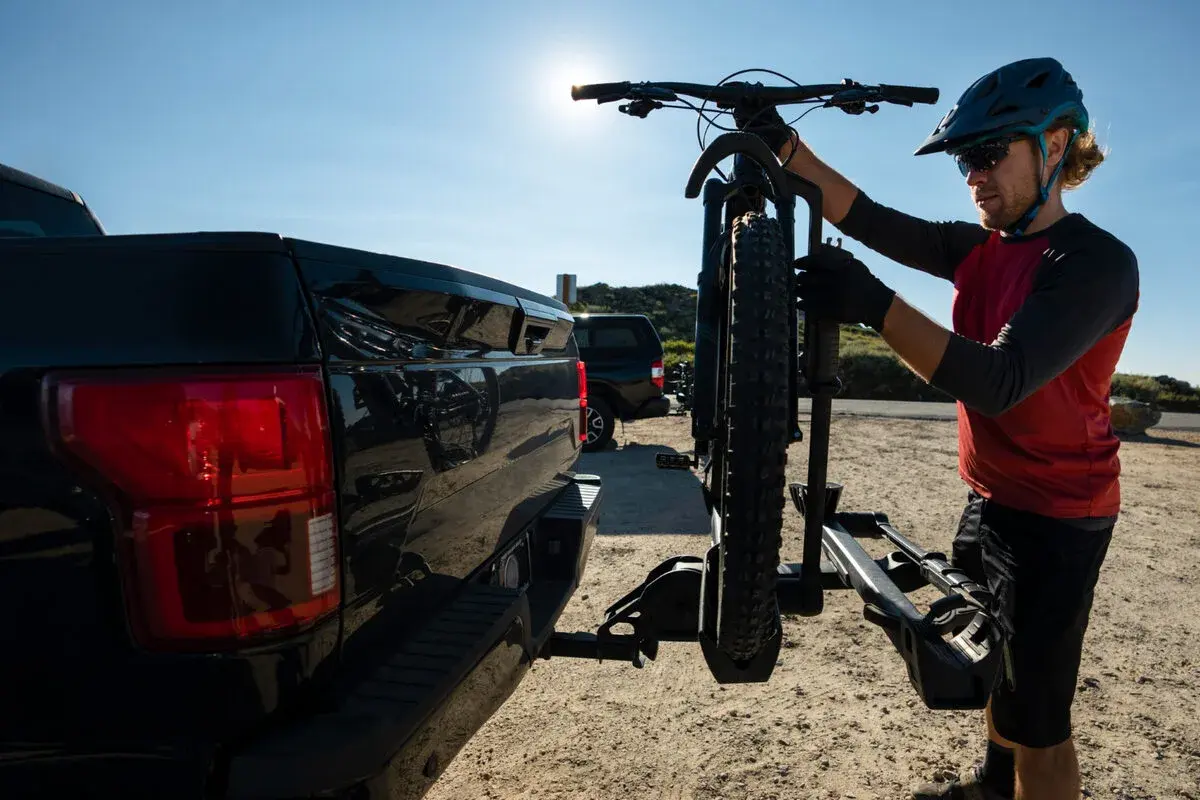
Where Is a Bike Carrier Fitted on a Vehicle?
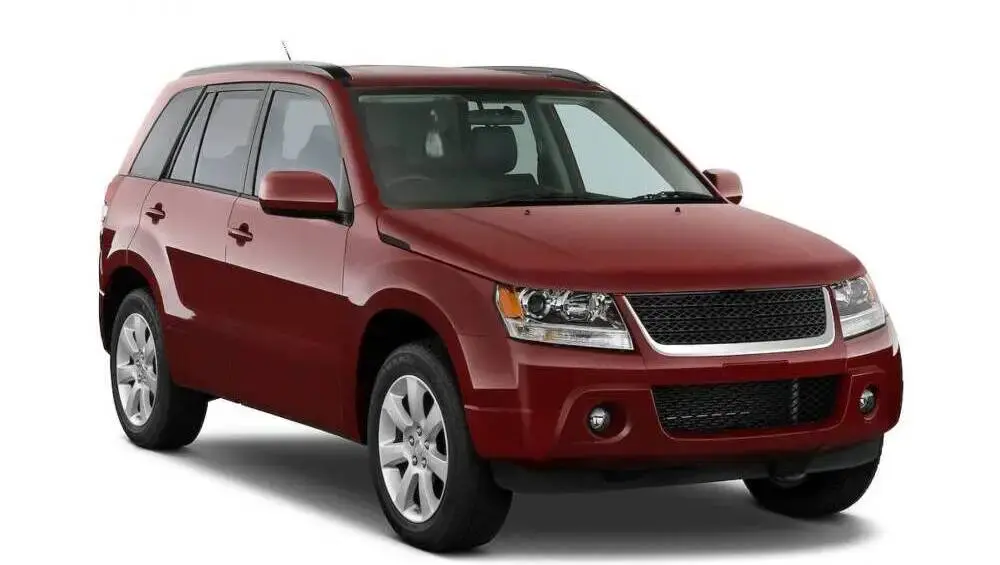
What Are the Suzuki Grand Vitara (Jt) 2005-2014 Roof Rack Types?
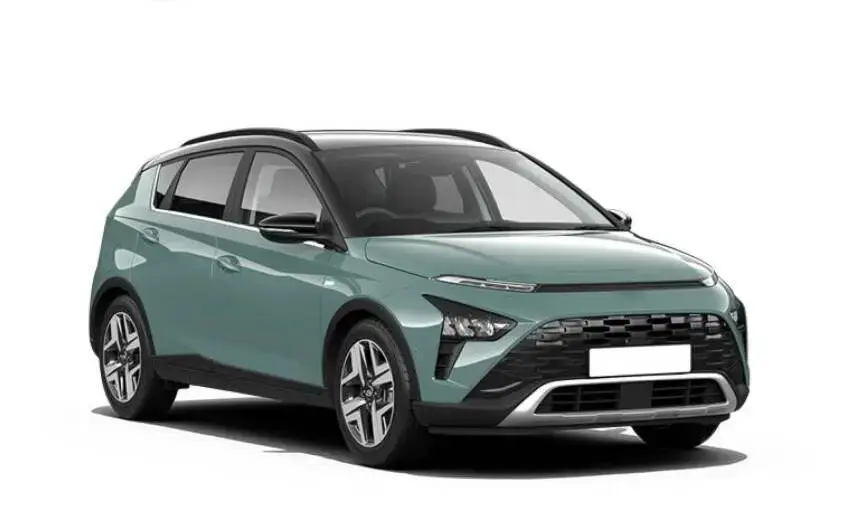
What Are the Hyundai Bayon (Bc3 Cuv) 2021-2025 Roof Rack Types?

What Is the Difference Between Raised and Flush Roof Rails?
What Is the Difference Between Tube and Aluminium Side Steps?

