


Why Does a Car Overheat?

If a car is overheating, the cooling system may not be doing its job properly. Sometimes the problem is simply low coolant, while in other cases there is a more serious problem with the fan, thermostat, radiator or water pump. At first, what matters is interpreting the rise in temperature correctly and checking the vehicle safely without putting further strain on it.
Overheating rarely happens all at once. Usually the gauge starts to rise, the fan runs differently than usual or the car heats up faster in traffic and on hills. These signs should be monitored especially closely by drivers who make long journeys or use their car heavily.
How Can You Tell a Car Is Overheating?
An overheating car shows it through several different signs. If the driver notices these signs early, bigger engine problems can be prevented.
The most common signs are:
The temperature gauge rising above its normal level
The temperature warning light coming on in the instrument panel
Hot steam coming from under the bonnet
A sharp, hot smell from the engine bay
A drop in pulling power
Rough idling
Weaker air conditioning performance
The engine running unusually harshly
In some cars, the first sign is simply the needle rising. In others, steam, a smell or a loss of performance is noticed straight away. These signs become more noticeable especially in hot weather, in stop-start traffic and when driving uphill.
The load on the vehicle also matters here. Drivers who use a roof box or travel with roof-mounted equipment should monitor temperature changes more closely, because the way the engine responds under load can reveal cooling system problems earlier.
What Should You Do When the Engine Overheats?
When the engine overheats, the most important thing is to stay calm and act in the right order. The wrong response can turn a small problem into a bigger one.
What to Do Step by Step When the Engine Overheats
Pull over somewhere safe. Move the vehicle to a safe spot without endangering other traffic. Continuing to drive can raise the engine temperature even further.
Stop putting strain on the engine. High revs, sudden acceleration and running the air conditioning can make overheating worse. Drive gently until you stop the vehicle.
Turn off the air conditioning. Air conditioning can increase the load on the engine. Turning it off is one of the first things to do when the temperature rises.
Switch off the engine depending on the situation. If the gauge has risen quickly and there is steam, switch off the engine. In some cases, however, idling briefly can help the temperature settle. The key is not to strain the engine.
Open the bonnet carefully. Do not open the bonnet fully straight away. First open it slightly and wait for the hot air to escape. Watch out for steam reaching your face.
Do not open the radiator or expansion tank cap straight away. Opening the cap on a hot engine carries a serious risk of burns. This is one of the stages where mistakes are made most often.
Wait for the engine to cool down. Adding water or working on the system before it has cooled is not the right approach. A sudden temperature difference can damage some parts.
Check the coolant level. Once the engine has cooled, check the level in the expansion tank. If it is low, a leak should be suspected.
Especially when a vehicle has extra equipment such as a bike rack or roof tent, drivers sometimes put a drop in performance down to the weight alone. However, once a rise in temperature is noticed, the main focus should be on the cooling system.
What Happens If a Car Overheats?
An overheating car does not just suffer a temporary loss of performance. If the problem gets worse, the internal parts of the engine can also be affected. This makes repairs more difficult and increases the cost.
If overheating continues, the following consequences can occur:
Damage to the cylinder head gasket
Engine oil losing its properties
Wear on hoses and connectors
Extra strain on the thermostat and fan system
A warped cylinder head
Loss of pulling power and rough running
Serious engine damage at an advanced stage
The critical point here is that not every case of overheating leads to the same result. However, if you keep driving, the risk grows quickly. Even a short rise in temperature can turn into a serious engine problem if it is ignored.
What Should the Temperature Gauge Read?
The normal level on the temperature gauge can vary from car to car. However, in most cars the ideal engine operating temperature is around 90 °C. That is why in many cars it is considered normal for the needle to sit in the middle.
If the gauge regularly rises above the middle, the fan comes on often or the needle approaches the red zone, this is not normal. Unstable movements, with the needle rising and falling in particular, suggest there may be a problem in the cooling system.
What matters here is not just the number, but also how the gauge behaves. Some cars only have a needle instead of a temperature reading. In this case, the driver needs to know their own car's normal operating range. Any rise that is different from usual should be taken seriously.
A car overheating is a warning that should not be ignored. Thanks to early detection, a minor fan or thermostat problem can be fixed before it gets worse. Delayed action, on the other hand, can lead to much more serious engine problems. That is why monitoring the gauge, checking the coolant and knowing the right first steps are among the basics every driver should know.
Frequently Asked Questions About Car Overheating (FAQ)
Should you switch off the engine immediately when a car overheats?
It depends on the situation. If there is steam and the temperature has risen quickly, the engine should be switched off. In some cases, however, idling briefly can be the more controlled option.
Can you add water to an overheating car straight away?
No. Adding water or opening the cap while the engine is hot can be dangerous. You should wait for the engine to cool down first.
Does overheating always blow the head gasket?
No. Not every case of overheating means a blown head gasket. However, if you keep driving, the risk of serious engine damage increases.
The fan is running but the car still overheats. Why?
In this case, other causes should be considered, such as the thermostat, a blocked radiator, a water pump problem or low coolant.
Can a car overheat in winter?
Yes, it can. Cold weather can reduce the risk of overheating, but if there is a fan fault, thermostat problem, leak or water pump problem, a car can overheat in winter too.

Where Does a Bike Rack Mount on a Car?
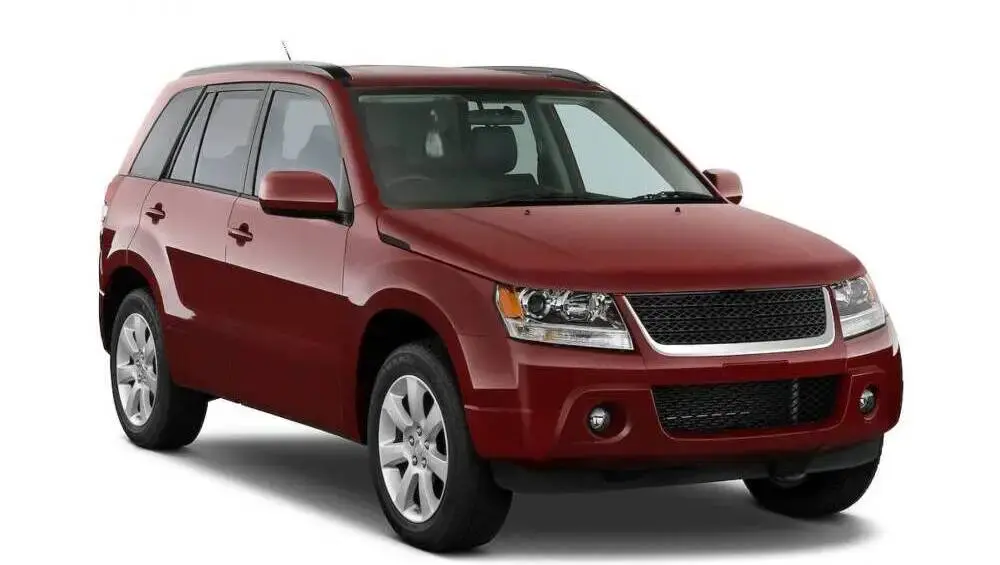
What Are the Suzuki Grand Vitara (Jt) 2005-2014 Roof Rack Types?

What Are the Hyundai Bayon (Bc3 Cuv) 2021-2025 Roof Rack Types?

What Is the Difference Between Raised and Flush Roof Rails?
What Is the Difference Between Tube and Aluminium Side Steps?

