


Why Does a Car Burn Oil?

A car burning oil means the engine oil doesn't just do its job and stay in the system. It works its way into the combustion chamber and gets used up there. This isn't limited to a dropping oil level. Over time, it can extend to lost pull, overheating, smoke, and bigger engine repair costs.
Burning oil usually starts slowly. At first, the driver only notices a drop in oil level. Later on, clearer signs appear, such as blue exhaust smoke, lost performance, and uneven running. Tracking engine oil matters even more for drivers who go on long trips or run their vehicle under heavy load. The same goes for anyone traveling with extra carrying equipment such as a roof box, bike rack, or roof tent. As load increases, the extra strain on the engine can make an existing problem more visible.
What Causes a Car to Burn Oil?
A car burning oil doesn't have just one cause. Sometimes mechanical wear stands out, and sometimes an incorrect oil choice or a sealing problem plays the bigger role. Understanding the source calls for evaluating both internal engine wear and external sealing points together.
Wear on the Piston Rings
One of the most common causes of burning oil is wear on the piston rings. The rings seal the gap between the combustion chamber and the crankcase. When they wear down, engine oil can leak into the combustion chamber and start burning along with the fuel.
Oil loss usually becomes regular in this case. Blue exhaust smoke also becomes more likely. As ring wear progresses, compression can drop and engine performance can weaken too.
Cylinder and Cylinder Head Damage
Oil moves into the combustion chamber more easily when the cylinder wall wears or gets scratched. The same happens if the cylinder head gets damaged. These situations generally rank among the more serious engine problems.
In vehicles with a history of overheating in particular, cylinder head problems deserve closer evaluation. Issues with the head and gasket can lead to performance loss and uneven running, not just burning oil.
Leaking Gaskets and Seals
Not every drop in oil level means the engine is burning oil. Sometimes the problem is an external leak. Valve seals, seals elsewhere, or various sealing points can leak oil over time. Leaked oil sometimes drips out, and sometimes burns off on hot engine parts, producing different symptoms.
Because of this, focusing only on internal engine wear isn't the right approach when oil level is dropping. Gaskets, seals, and connection points need checking too.
Using Incorrect or Low-Quality Oil
Using oil with the wrong viscosity or low quality can raise engine oil consumption. Some oils can't provide enough protection inside the engine. Others thin out faster than expected under heat.
Choosing something outside the manufacturer's recommended oil range in particular can make the tendency to burn oil more pronounced. What matters here is not just the brand, but the correct technical specifications.
Worn Gaskets
Gaskets inside and around the engine can harden over time, lose their flexibility, and stop doing their job fully. This can cause both external leaks and internal seepage problems.
This problem shows up more often in older vehicles. Because of this, small sealing components deserve attention too, not just the major mechanical parts.
High Oil Pressure
Oil pressure rising above normal can push oil out through weak points or increase its passage into the combustion side. This isn't common on its own, but it's a factor worth not ignoring in some engines.
If unstable behavior starts right after switching to a different oil, oil pressure deserves consideration as a possible factor.
Oil Pump Failure
An oil pump problem doesn't usually get treated as a direct, first-line cause of burning oil. It can raise internal engine wear, though, by disrupting the lubrication balance. Over time, this wear can set the stage for an oil-burning problem.
Because of this, the oil pump shouldn't get treated as a completely separate topic. If there are signs of low oil pressure, noisy operation, or uneven lubrication in particular, the whole system deserves evaluation.
What Are the Symptoms of a Car Burning Oil?
An engine burning oil usually shows several signs together. Sometimes it's just oil loss. Other times, smoke and reduced pull get added to the picture. Catching the signs early is one of the most important steps for preventing bigger engine problems.
Blue Smoke From the Exhaust
One of the best-known signs of burning oil is blue smoke coming from the exhaust. This smoke suggests engine oil is burning inside the combustion chamber.
Blue smoke can appear constantly, or it can show up especially at startup or at high revs. This symptom becoming regular can point to the problem getting worse.
A Drop in Oil Level
A dipstick level that keeps dropping frequently is one of the clearest signs. Even after a recent oil change, a quick drop in level deserves attention.
What matters here is not just that the oil drops, but how quickly it drops. A detailed check becomes necessary if the oil needs topping up at very short intervals.
The Engine Overheating
Oil doesn't just reduce friction. It also helps balance heat inside the engine. The engine can run hotter when oil level drops or oil can't do its job fully.
Because of this, burning oil can also raise the tendency to overheat over time. If an overheating problem shows up despite the cooling system looking fine, the lubrication side deserves consideration too.
Engine Blow-By
Engine blow-by usually relates to rising crankcase pressure and more noticeable internal leaks. If unusual pressure or air escapes when the oil cap gets opened in particular, this deserves attention.
This symptom alone doesn't give a definitive answer. When evaluated together with ring wear and internal leaks, though, it can be an important sign.
What Should Be Done If the Engine Burns Oil?
If the engine is burning oil, the first thing to avoid is papering over the problem by just adding oil. Topping up oil is a temporary step. What's actually needed is finding the cause.
Tracking how fast the oil level drops comes first. Exhaust smoke, pulling power, overheating tendency, and signs of external leaks get evaluated together next. If there's an abnormal drop on the dipstick along with blue exhaust smoke, internal engine wear becomes more likely.
A healthier check process follows this order:
Measuring the oil level regularly
Checking underneath the vehicle for an external leak
Watching the color of the exhaust smoke
Evaluating signs at the oil cap and crankcase pressure
Confirming the correct oil is in use
Having a compression test and detailed engine check done if needed
The biggest mistake is continuing to drive the vehicle this way for a long time. An engine burning oil wears down more over time and can lead to bigger repair costs.
Can Burning Oil Be Prevented?
Not every case of burning oil can get fully prevented. Natural wear plays a role especially in high-mileage vehicles. The right maintenance, though, can lower the risk significantly.
The following points deserve attention for this:
Changing engine oil on schedule
Using the oil the manufacturer recommends
Checking the oil level regularly
Not neglecting overheating problems
Avoiding prolonged driving with low oil
Catching leak signs early
Whether a used vehicle has a history of burning oil deserves a direct question in particular. A short test drive might not be enough. The oil cap, exhaust smoke, and maintenance history all deserve evaluation together.
What Are the Effects of Using the Wrong Oil on the Engine?
Using the wrong oil can lead to bigger consequences than most drivers expect. Protection drops if the oil's thickness, heat resistance, and compatibility with the engine aren't right. This can raise wear.
Using the wrong oil can lead to the following problems:
Higher oil consumption
Trouble starting in cold weather
Thinning and reduced protection in a hot engine
Faster wear on the rings and cylinder
More engine noise
A tendency toward burning oil over the long term
Because of this, the oil simply being new isn't enough. Using the correct oil matters. Oil selection belongs in the same conversation as when to change engine oil and how to choose the right viscosity.
The answer to why a car burns oil usually isn't hidden in a single part. It lies in the combination of maintenance habits and internal engine wear. Catching the signs early can bring the problem under control before it grows. When action gets delayed, though, a small oil-loss problem can progress into a serious engine repair.
Frequently Asked Questions About Cars Burning Oil
Does burning oil always mean the engine needs replacing?
No. Burning oil doesn't always mean a full engine replacement is needed. Sometimes the problem comes from valve seals, gaskets, or using the wrong oil.
Can a car that burns oil be driven on a long trip?
It might seem drivable, but it's risky. If the oil level drops quickly, the engine strains more on a long trip and the problem can grow. Clarifying the cause before setting off is the healthier approach.
Which oil should get added if the engine burns oil?
The oil should match the viscosity and specification the manufacturer recommends. Adding oil at random doesn't solve the problem and can make it more noticeable in some cases.
Does performance drop when a car burns oil?
Yes, it can. As burning oil progresses, compression loss, uneven running, and reduced pull can all show up.
Does a car that burns oil pass inspection?
It depends on how severe the problem is. Inspection can turn up an issue if noticeable blue smoke comes from the exhaust and emission values get affected.

Where Does a Bike Rack Mount on a Car?
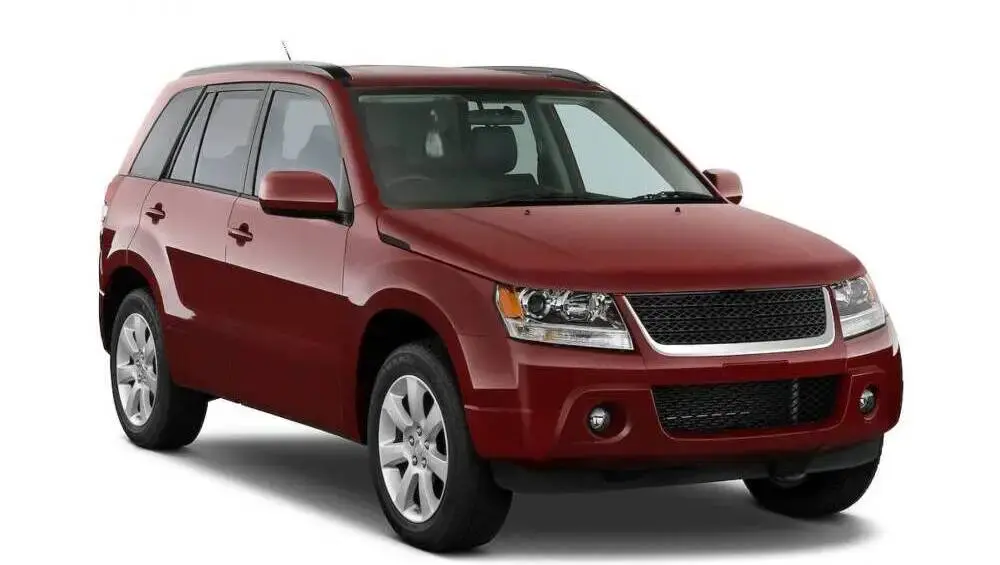
What Are the Suzuki Grand Vitara (Jt) 2005-2014 Roof Rack Types?

What Are the Hyundai Bayon (Bc3 Cuv) 2021-2025 Roof Rack Types?

What Is the Difference Between Raised and Flush Roof Rails?

What Is the Difference Between Tube and Aluminium Side Steps?

