


What Is an Axle?

An axle shaft is one of the core drivetrain parts that transfers engine power to the wheels. It passes the rotation coming from the gearbox or differential on to the wheels. This allows the vehicle to move, accelerate, carry loads and stay stable in bends.
It is not a very visible part in everyday use. However, it plays a critical role in driving safety, performance, durability and safe carrying. Axle shaft health is even more important for people who drive long distances, carry camping equipment, carry commercial loads or have vehicle equipment fitted to their car.
This part does more than transfer power. It also helps the wheels adapt to road conditions. It must keep doing its job without interruption during suspension movement, steering and road impacts. That is why quality materials, correct installation and full compatibility with the vehicle are essential.
In vehicle maintenance, the axle shaft should be considered together with topics such as tyre pressure, the suspension system and pre-journey vehicle checks. The drivetrain does not work in isolation. Tyres, wheels, shock absorbers and load distribution all have a direct effect on it.
What Does an Axle Shaft Do?
The main job of an axle shaft is to carry torque from the engine to the wheels. Torque is the turning force that makes the vehicle move, and it reaches the wheel through the axle shaft.
The functions of an axle shaft can be summarised as follows:
Transfers engine power to the wheels.
Allows the vehicle to move.
Adapts to the wheel angle in bends.
Maintains power transfer during suspension movement.
Contributes to stability when carrying loads.
Affects driving comfort and road holding.
In front-wheel drive vehicles, the axle shafts work harder, because they have to adapt to steering movement and transfer power at the same time. That is why clicking noises when turning are often related to the CV joint.
In rear-wheel drive or four-wheel drive vehicles, the design can be different. In commercial vehicles and models suited to off-road use, load capacity plays a bigger role. Heavy loads, towing a trailer, equipment carried on a roof rack and poor road conditions can put extra stress on the axle.
What Types of Axle Shafts Are There?
Axle types are classified by how they carry the load and how they transfer power to the wheel. Each system has different advantages, uses and maintenance needs.
Axle Type | Key Feature | Note on Use |
Semi-floating axle | Both load and power transfer are carried by the axle shaft | Common in passenger cars |
Full-floating axle | The axle housing carries the load, the shaft transfers power | An advantage for heavy loads and commercial use |
Three-quarter floating axle | Load and power are shared in a balanced way | Found in more specialised systems |
The right axle type should be assessed according to how the vehicle is used. Everyday city driving and commercial transport do not have the same needs. Factors such as camping, outdoor sports equipment, extra loads carried on roof rails or luggage for long journeys also affect the approach to selection and maintenance.
Semi-Floating Axle
A semi-floating axle is a common system found in many passenger cars. In this design, the axle shaft both transfers power to the wheel and carries part of the vehicle's weight.
The advantage of this system is its compact design. It works with fewer parts and offers enough practicality for general use. However, it can be put under more strain by heavy loads, so loading habits matter.
In vehicles with a semi-floating axle, pay attention to the following:
Do not load the vehicle beyond its capacity.
Avoid hard impacts on rough roads.
Spot CV boot tears and grease leaks early.
Do not delay a check if you hear noise when turning.
In this type of system, an axle shaft fault usually shows itself through noise, vibration or a feeling of play.
Three-Quarter Floating Axle
A three-quarter floating axle sits between the semi-floating and full-floating designs. The load and the drive function are shared more evenly. Although it is not very common today, you may come across it in some specialised vehicle designs.
In this system, the axle shaft does not carry the entire load. However, it is not as independent as in a full-floating system, so it can be an advantage or a limitation depending on the conditions of use.
For a three-quarter floating axle, the most important thing is not choosing the right part or ease of installation, but installation accuracy. Dimensions, connection design and compatibility with the vehicle must always be checked.
Full-Floating Axle
A full-floating axle is mainly used in commercial vehicles that carry heavy loads, off-road vehicles and systems where durability comes first. In this design, the vehicle's weight is carried not by the axle shaft but by the axle housing and bearing system, while the axle shaft mainly transfers power to the wheel.
This design offers greater durability under heavy use and a stronger load capacity. That is why it offers important advantages for commercial fleets, service vehicles, models suited to off-road use and vehicles that constantly work under load.
Maintenance should still not be neglected on a full-floating axle system. Bearings, connection points, lubrication and seals should be checked regularly so that the system lasts longer.
Why Does an Axle Shaft Fail?
An axle shaft can fail for many reasons. One of the most common is a torn CV boot. The boot protects the grease inside the joint. When the boot tears, the grease escapes and dust, water and dirt get in. This causes the part to wear quickly.
Other common causes include:
Hard impacts on rough roads
Loading the vehicle beyond its capacity
Using low-quality or incompatible parts
Incorrect installation
Constant hard launches and sudden acceleration
Accidents or hitting a kerb hard
Neglecting bearing, suspension or tyre problems
In vehicles used for camping and outdoor trips, mud, stones, water crossings and uneven ground can pose an extra risk to the axle shaft. In commercial vehicles, frequent stop-start driving, heavy loads and long working hours can lead to more wear.
That is why an axle check should be a regular part of the vehicle maintenance checklist.
What Are the Symptoms of a Failing Axle Shaft?
An axle shaft fault often shows early warning signs. Interpreting these signs correctly can prevent much higher costs.
The most common symptoms are:
A clicking noise when the steering wheel is turned fully left or right
Vibration in the vehicle when accelerating
A knocking feeling when pulling away
Traces of grease or oil around the wheel
A feeling of play in bends
A metallic noise while driving
Noise that gets louder when the vehicle is loaded
A rhythmic clicking when turning is usually related to the CV joint. Vibration during acceleration more often points to a bent axle shaft or a connection problem. Grease traces usually mean a torn CV boot.
If these symptoms are ignored, safe carrying can be put at risk. Noise, vibration and leaks should be checked, especially before a long journey. Alongside checks such as the brake system and tyre tread depth, an axle check is also important before a long trip.
How Is an Axle Shaft Fault Fixed?
The solution to an axle shaft fault depends on its source. Not every noise means a complete replacement. Sometimes replacing the boot is enough. However, if the joint is worn, the CV joint or the complete shaft may need to be replaced.
The correct process is as follows:
Listen to the symptom and carry out a test drive. Determine whether the noise occurs when turning, when accelerating or under load.
Raise the vehicle on a lift. Check the boot, connection points, joint and shaft.
Inspect for oil and grease leaks. If the boot is torn, the internal components may be contaminated.
Check for play. Check whether there is play in the CV joint, bearing and connection areas.
Choose the right part. Take the vehicle model, engine type, year of manufacture and chassis details into account. The wrong part can quickly cause a new fault.
Complete installation and the final check. Tighten the connections correctly and check for noise, vibration and leaks with a test drive.
The goal of maintenance is not just to fix the fault. It is also to increase the level of protection, prevent loss of performance and ensure the part lasts a long time.
In conclusion, the axle shaft is a critical part for the safe movement of the vehicle. With correct use, regular checks, suitable load planning and quality parts, the risk of failure can be greatly reduced.
Frequently Asked Questions About Axle Shafts (FAQ)
Can an axle shaft failure leave you stranded?
Yes, an advanced axle shaft fault can leave you stranded. In particular, if the CV joint breaks apart completely, power cannot be transferred properly to the wheel. This makes it difficult or impossible for the vehicle to move. If you notice noise when turning, knocking when pulling away or heavy vibration, it is safer to have the vehicle checked before a long journey.
Is wheel alignment needed after replacing an axle shaft?
Wheel alignment may not be required after every axle shaft replacement. However, if the suspension, control arm, tie rod end or hub carrier connections were removed during the work, an alignment check is recommended. If the vehicle pulls to one side, the steering wheel is not straight or the tyres show uneven wear, wheel alignment should not be delayed.
Can you drive with a torn CV boot?
The vehicle can move over short distances, but driving like this is not the right approach. When the CV boot is torn, the grease escapes and the joint is exposed to dirt, water and mud. This can turn a problem that a simple boot replacement could fix into a CV joint or complete axle shaft replacement.
Does an axle shaft fault affect fuel consumption?
The axle shaft is not the biggest direct cause of fuel consumption. However, a bent shaft, a seized joint, incorrect installation or a drivetrain problem that causes vibration can reduce the vehicle's efficiency. Over time, this can lead to higher fuel consumption, reduced driving comfort and loss of performance.
Are the left and right axle shafts the same?
The left and right axle shafts are not the same on every vehicle. Length, connection design, spline count and joint size may differ. That is why looking only at the vehicle brand is not enough when choosing a part. Compatibility with the model year, engine type, gearbox type and chassis details must always be checked.
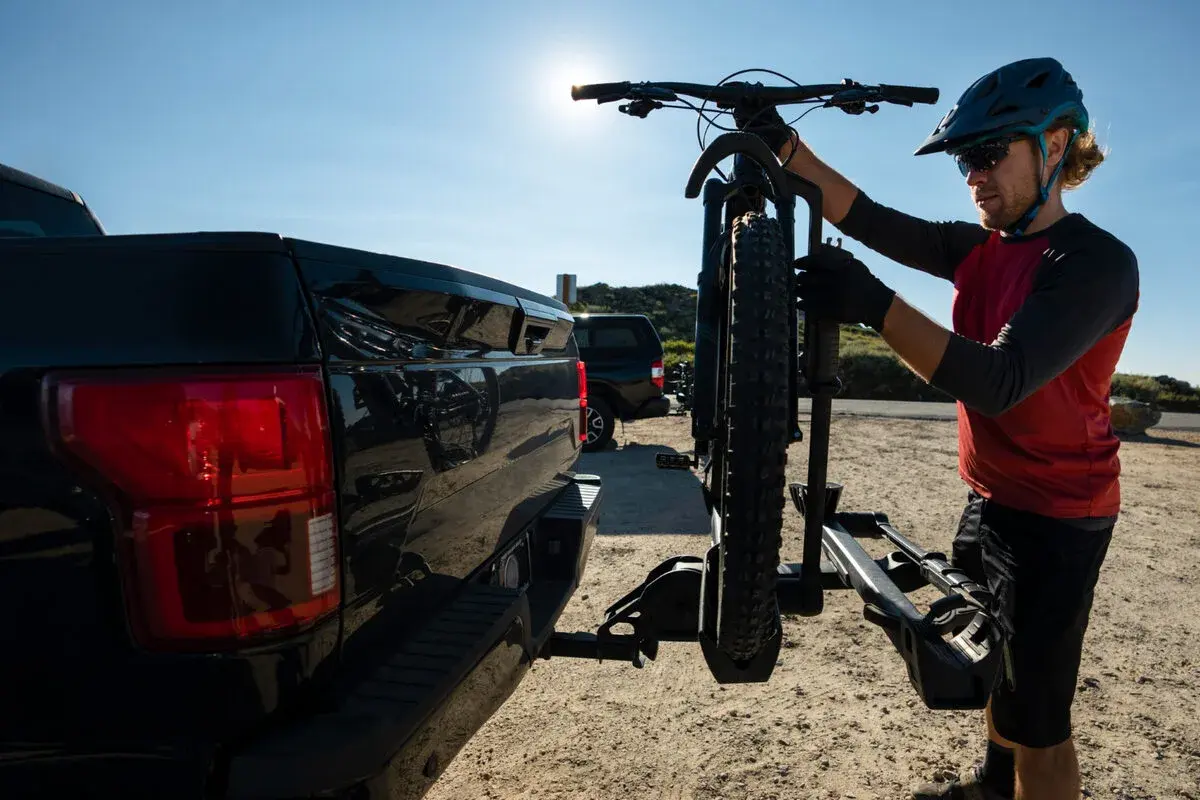
Where Does a Bike Rack Mount on a Car?
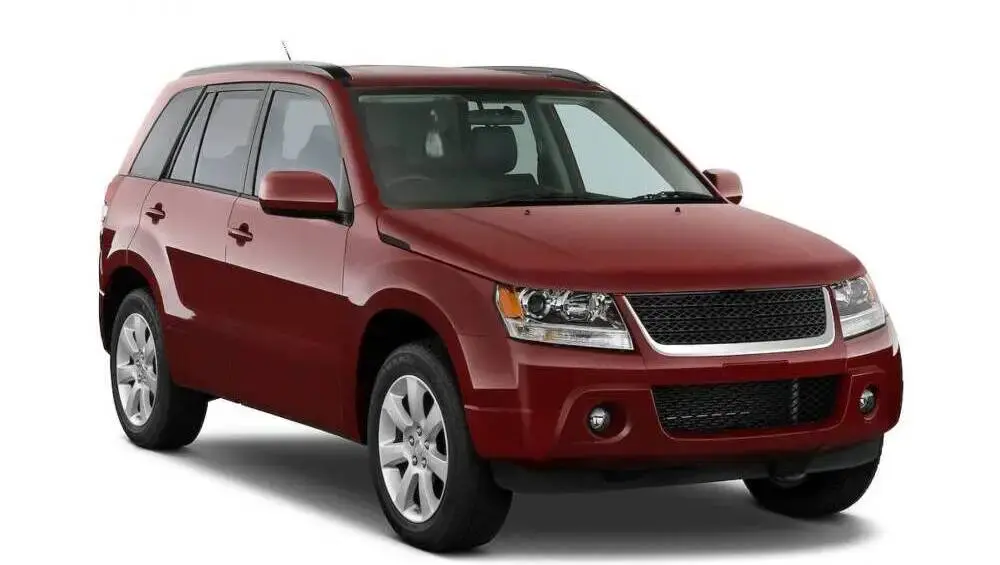
What Are the Suzuki Grand Vitara (Jt) 2005-2014 Roof Rack Types?
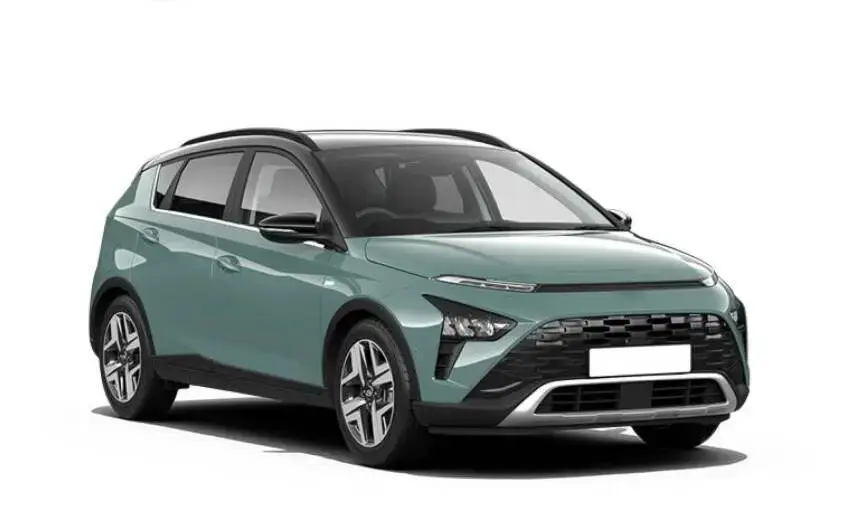
What Are the Hyundai Bayon (Bc3 Cuv) 2021-2025 Roof Rack Types?

What Is the Difference Between Raised and Flush Roof Rails?

What Is the Difference Between Tube and Aluminium Side Steps?

